Understanding Water Testing Costs
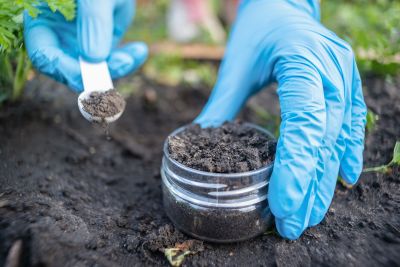
The setting where samples are collected can affect costs due to accessibility and safety requirements.
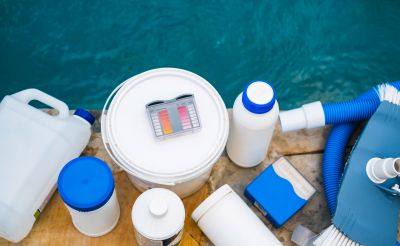
Advanced testing methods require specialized equipment, influencing the price.
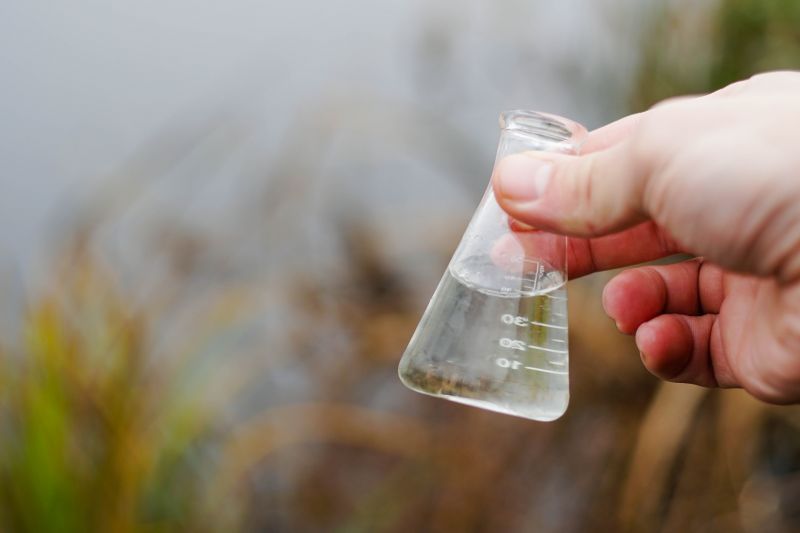
Proximity of the testing lab can impact transportation costs and turnaround times.
| Factor | Impact on Cost |
|---|---|
| Test Type | Basic tests are less expensive; comprehensive panels increase costs |
| Sample Volume | Larger volumes may require additional processing and storage |
| Testing Frequency | Regular testing can lower per-test costs but increase overall expenses |
| Laboratory Location | Nearby labs reduce transportation fees |
| Turnaround Time | Expedited results typically cost more |
| Sample Preservation | Special preservation methods add to expenses |
| Regulatory Compliance | Mandatory certifications can influence pricing |
| Number of Analytes | More analytes tested increase overall costs |
Additional factors impacting the cost include the complexity of the testing process, the number of samples processed, and the level of detail required in the results. Laboratories with advanced equipment and accreditation standards may charge higher fees, reflecting their ability to provide precise and reliable data. Planning for water testing should account for these variables to optimize both quality and budget.
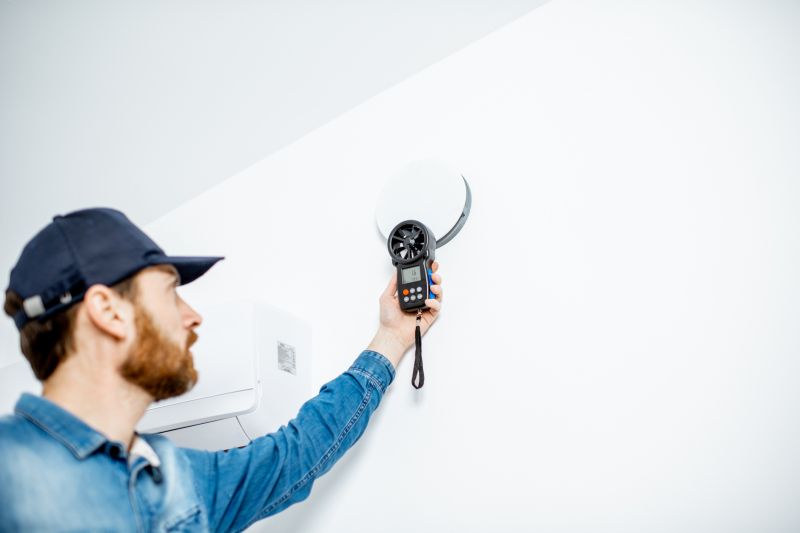
Advanced instruments increase testing costs but provide more detailed results.
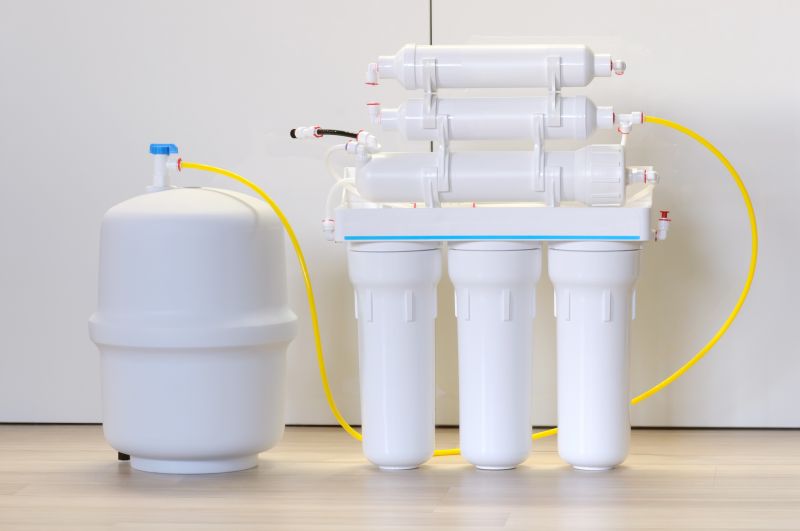
Proper storage and transportation methods add to overall expenses.
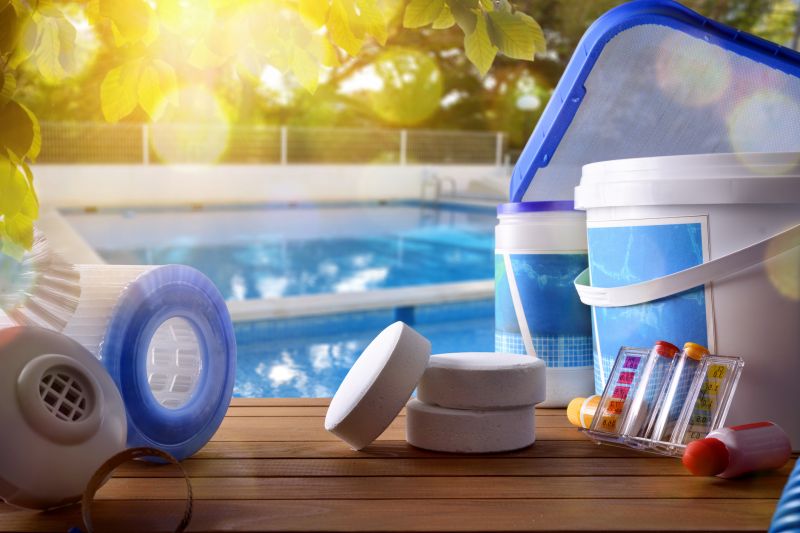
Certified labs may charge more but ensure compliance and accuracy.
| Service | Average Price Range |
|---|---|
| Basic Water Quality Test | $50 - $150 |
| Heavy Metals Testing | $150 - $300 |
| Pathogen Screening | $200 - $400 |
| Chemical Contaminants | $100 - $250 |
| Organic Compound Testing | $250 - $500 |
| Radon Testing | $100 - $200 |
| Total Dissolved Solids (TDS) | $30 - $80 |
| Bacterial Analysis | $75 - $200 |
| Lead Testing | $100 - $250 |
| Nitrate/Nitrite Testing | $50 - $150 |